
It's September, and we're down to the last few months of 2025.
Let's start with the good news. I've found someone to handle the graphic and art direction for my magazine project. The bad news is that while they work on that, I need to provide the copy for the first issue, titled "Nostalgia." As the first issue, it's my job to set the tone and define the rules for the magazine. It's a classic example of world building.
I have decided to use Substack as a vehicle to complete this without overthinking it. This means the article below will be an extract from the "Nostalgia" issue (meaning it come across as incomplete at times). If the magazine ever materializes, you'll likely find similar text or thoughts in the physical copy; Substack is just a way to get these ideas out beforehand.
I've also included images that inspired this train of thought, hoping the physical magazine will manifest in a similar layout. The photos in this article are from the World Battle breakdancing competition in Porto, Portugal. I unknowingly arrived during the junior competition and was immediately struck. Their distinct fashion and charismatic personalities made it clear this was a culture someone had to introduce them to, those kids we imitating something they had seen before. And yet they wore it all with a confidence that made me think, "It's so nice to be young.". Their willingness to immerse themselves so fully in this niche zeitgeist of dance is what inspired the heading and perfectly reaffirmed the thoughts I was already having.
Bend a little, but don't fold.
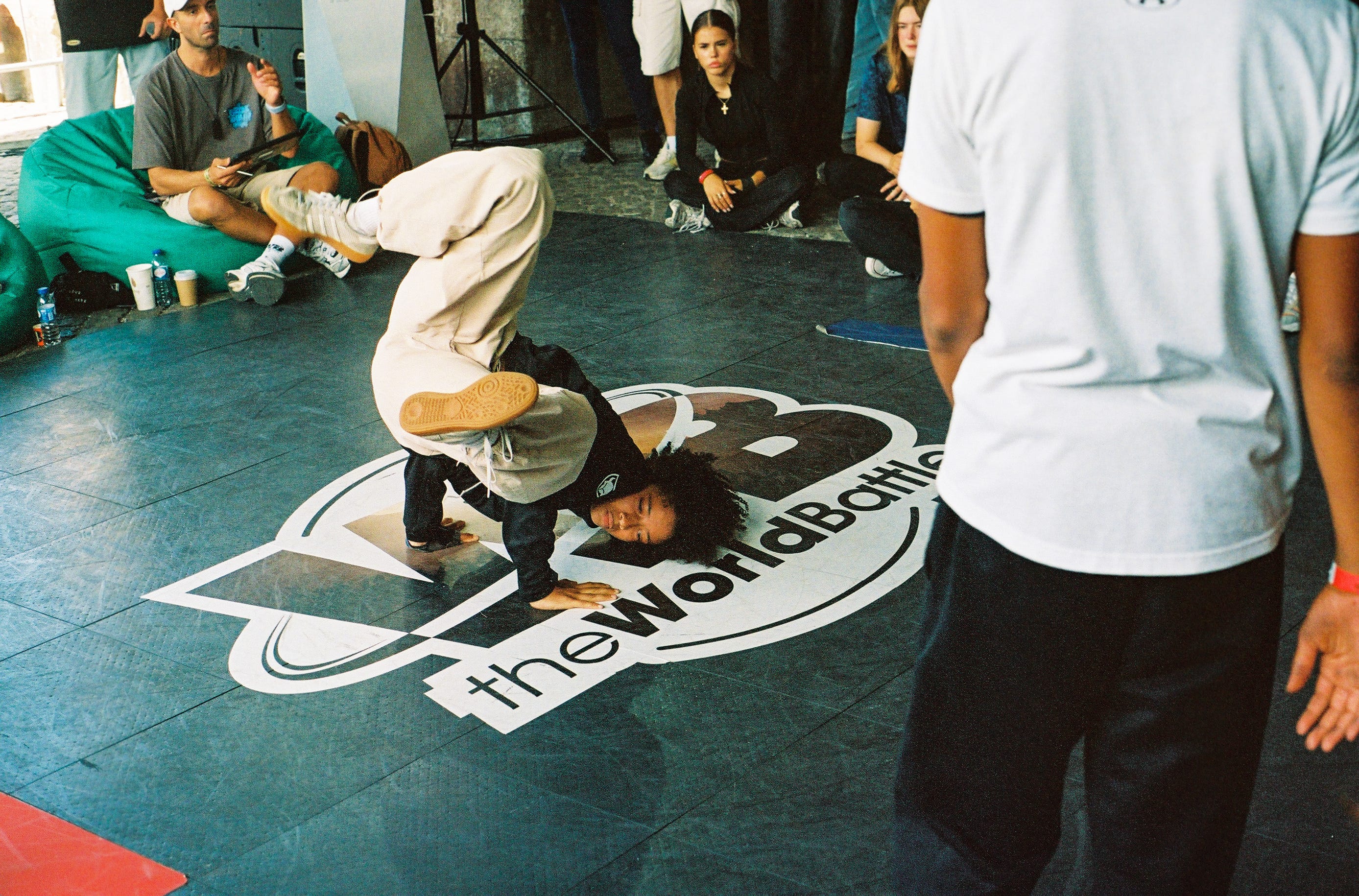
You are simply a collection of everyone you've tried to be along the way. A reflection of a community: our parents, teachers, and friends. Even an arch nemesis leaves a mark. This constant exchange is how you find your own unique footing in the world. What you call being yourself is simply your interpretation of all these influences.
None of this is a groundbreaking thought. It’s as fundamental as learning about gravity. Once you understand the rules, you put away any hopes of flying and get on with the business of walking. Just as your body knows gravity through muscle memory, your very being remembers your upbringing: every twist, every turn, and every identity crisis. No one had to explain what being rejected felt like; that sting will live with you longer than any words could.
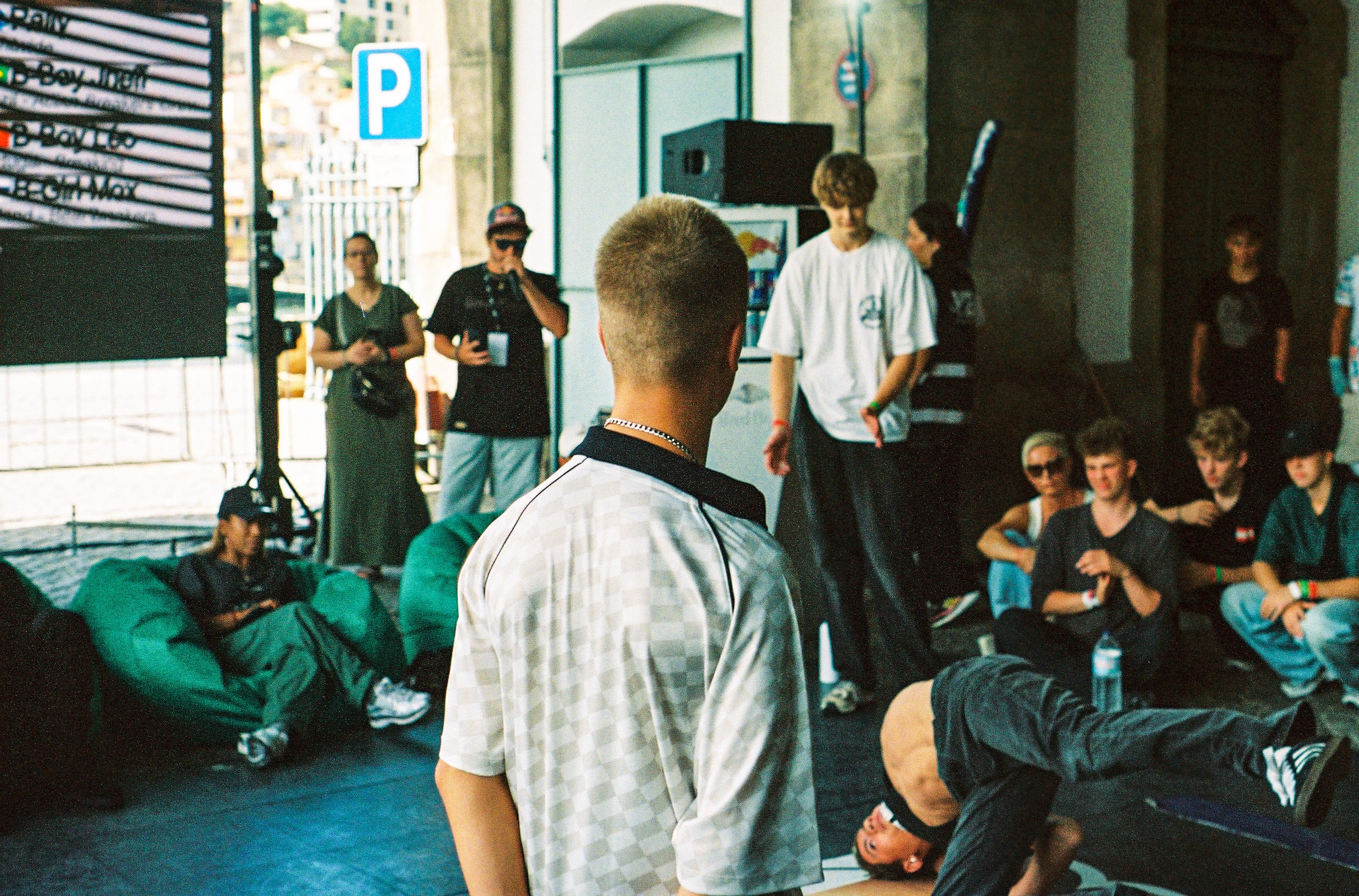
Our youth is a constant act of imitation, where we bend to the communities and surroundings that shape us. But our identities are not found in those acts; they are found in the feelings we carry from them, feelings our bodies remember long after the details fade. To fold, then, is to ignore this muscle memory, to deny the deepest longings that anchor us to who we truly are.